Written for UK homeowners and checked against official or established independent sources where applicable. It is general information, not a substitute for a property assessment.
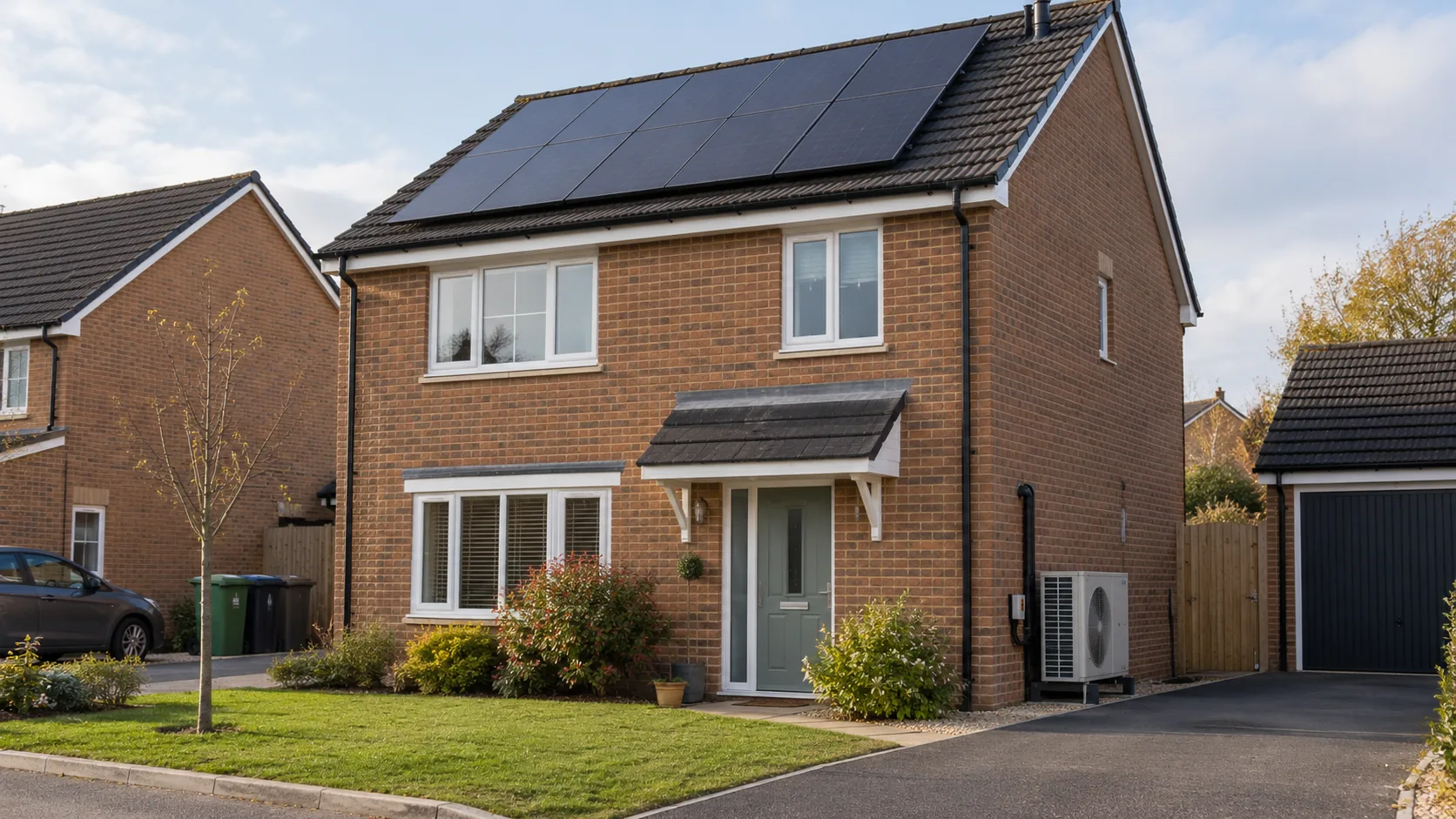
Heat pumps, solar panels, batteries and EV chargers are sometimes discussed as separate projects. In the right home, it's worth considering them as a connected energy plan.
Solar: electricity generated at home
Solar PV produces electricity when daylight is available. This can help power appliances and, depending on the timing of use, other equipment in the house.
Battery storage: more choice about when to use it
A home battery can store some electricity for later. That can be useful if you generate more during the day than you use straight away. The size of the battery and your tariff affect its value.
EV charging: a new part of your routine
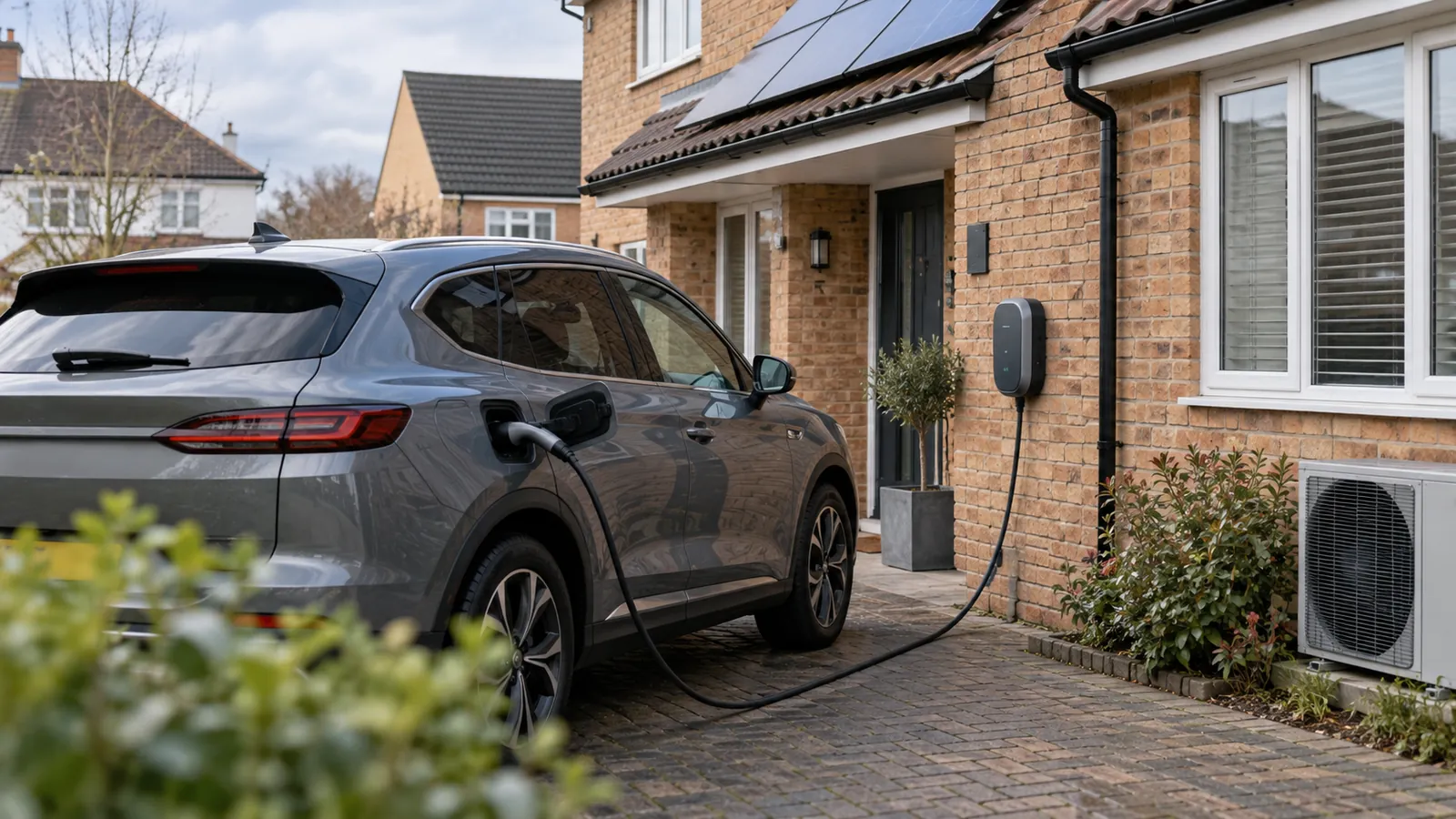
Charging at home is convenient for drivers who have suitable parking and electrical capacity. Smart chargers can sometimes schedule charging at cheaper tariff periods, and compatible systems may also use surplus solar electricity.
Heat pumps: a new electricity demand
A heat pump uses electricity to move heat into the home. If you're thinking about solar and a heat pump together, consider your winter electricity demand and the times each system operates rather than assuming one will fully power the other.
Think in stages
You do not necessarily need everything at once. Start with your current energy use, the condition of your home, your future vehicle plans and your budget. For general guidance, see the Energy Saving Trust.
General educational information, reviewed 11 October 2026. Not a property survey, technical recommendation, financial forecast or guarantee of funding. Rules, tariff rates and technology costs can change.