Written for UK homeowners and checked against official or established independent sources where applicable. It is general information, not a substitute for a property assessment.
The phrase “air-source heat pump” can describe two very different home systems. Choosing between them depends on what you want to heat, your existing radiators and whether you need domestic hot water.
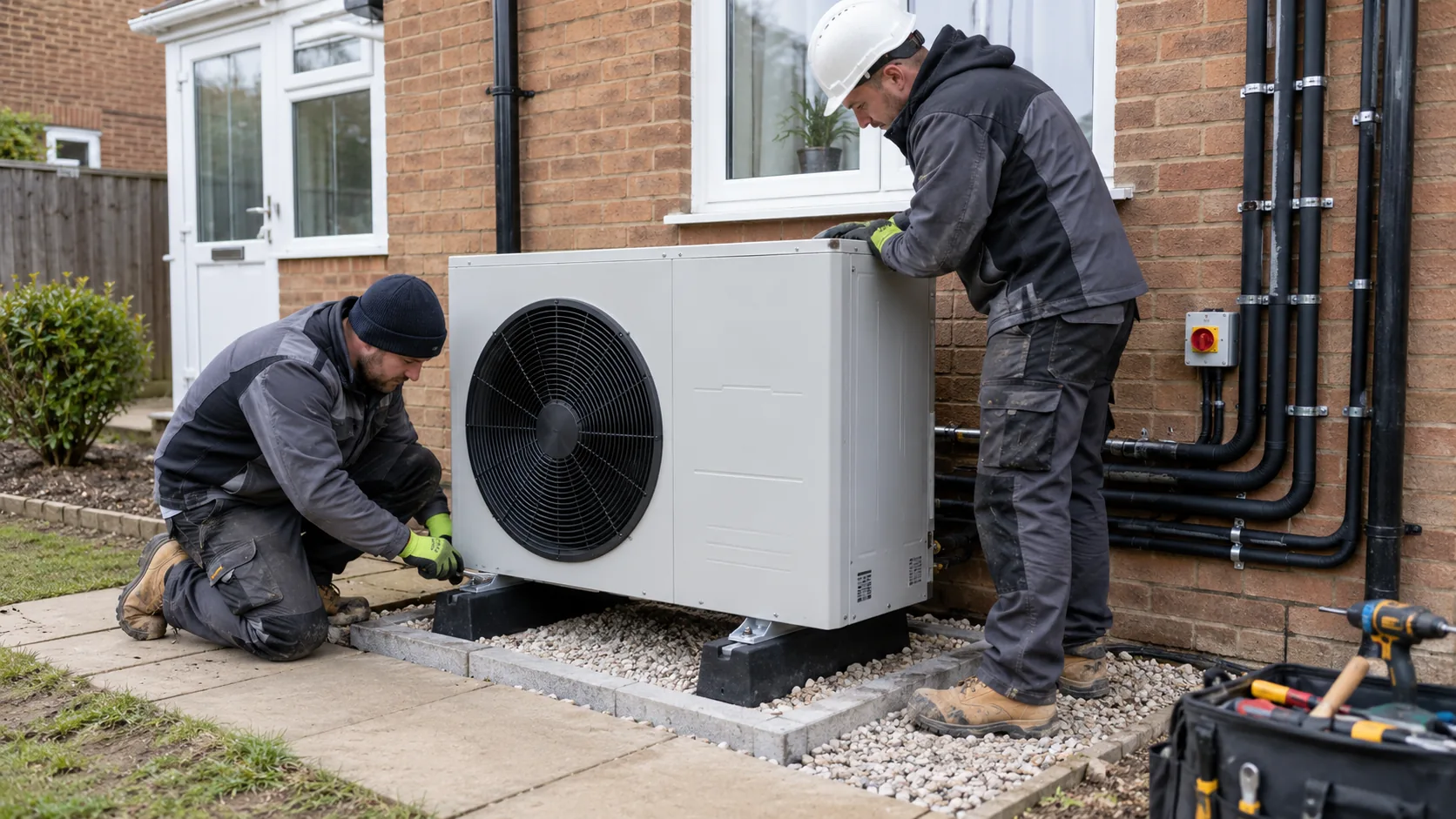
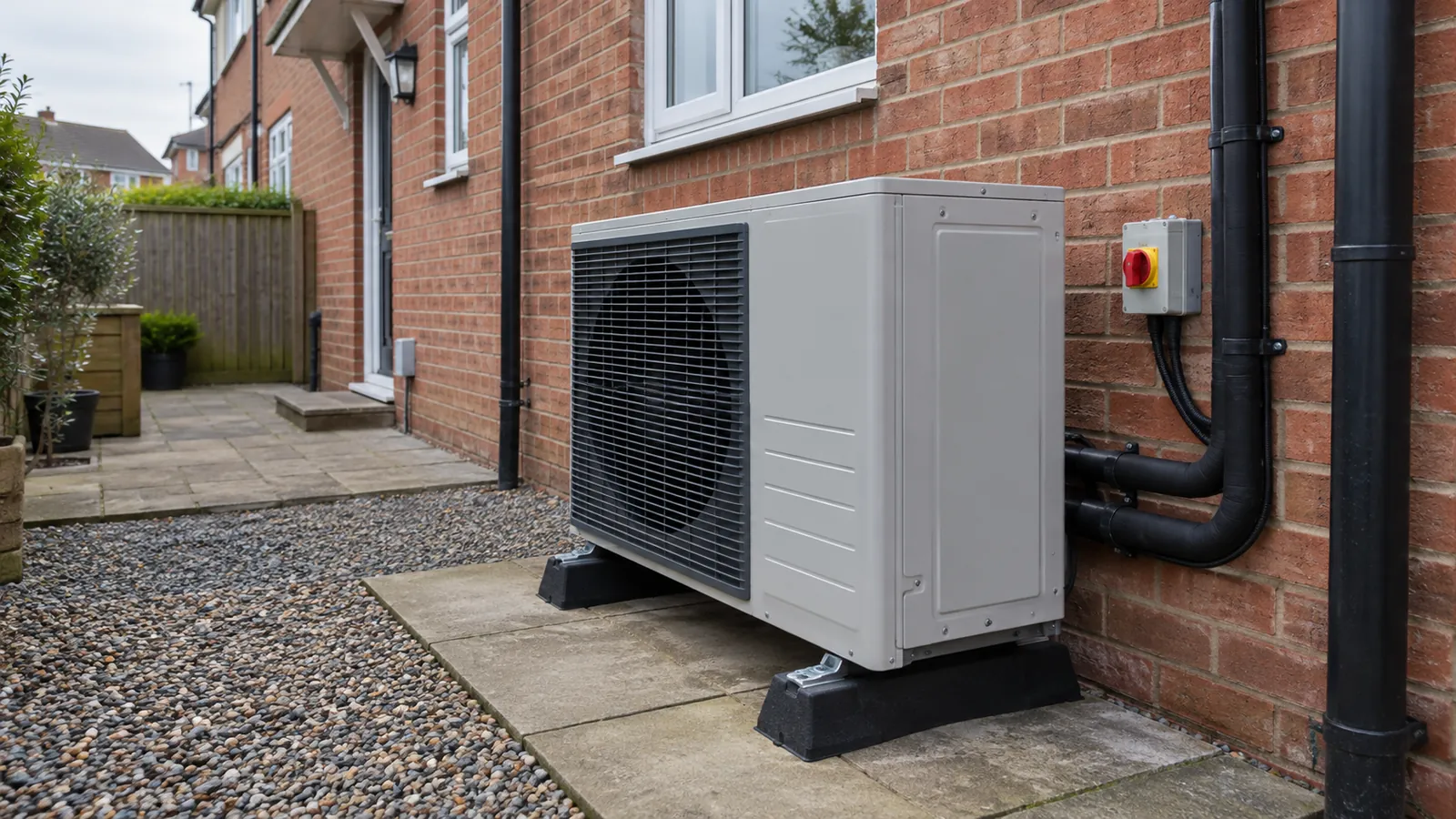
Air-to-water
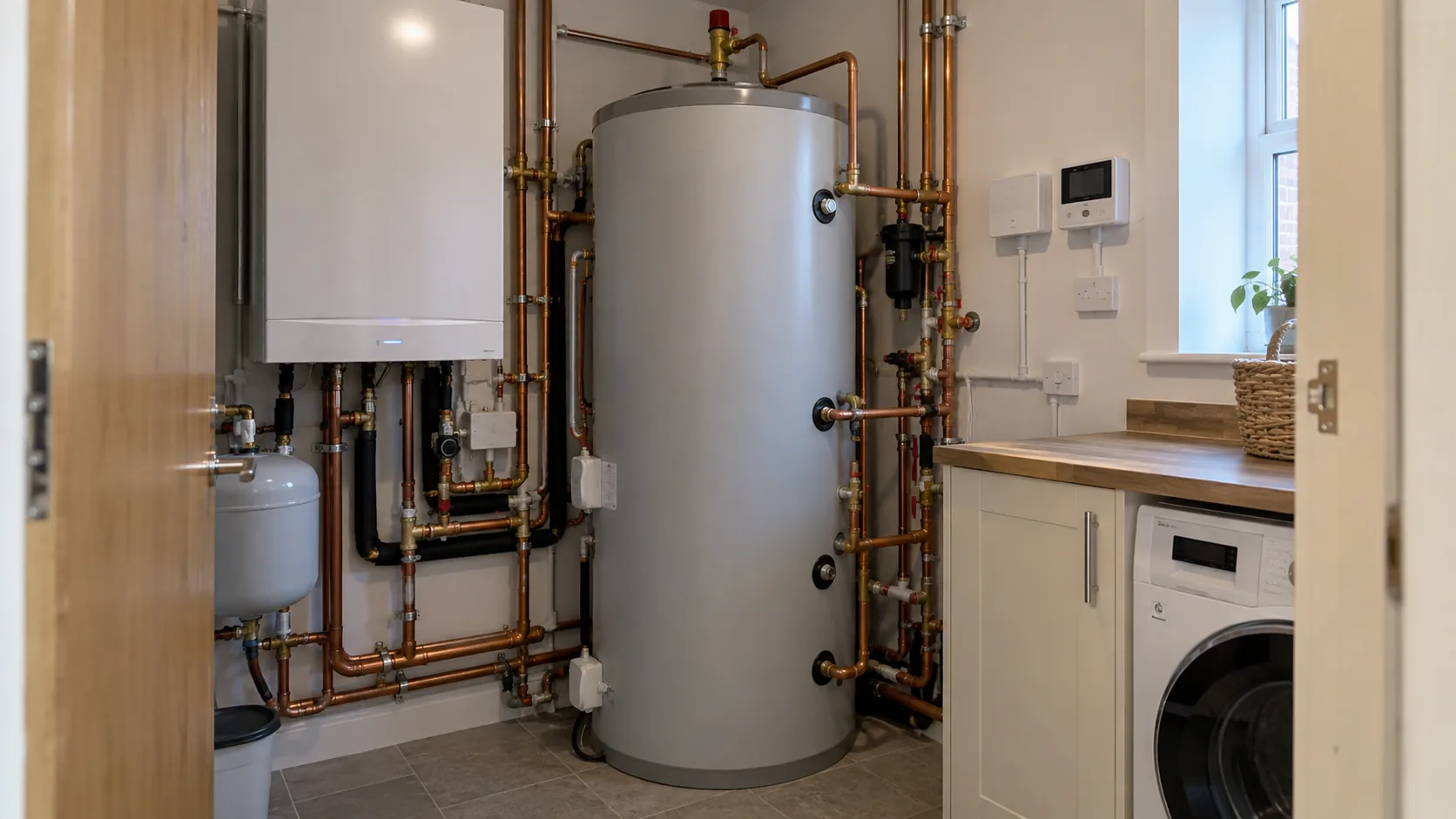
This type transfers heat into a water circuit for radiators or underfloor heating. Many systems can also heat water stored in a hot-water cylinder. It is the common type considered when replacing a boiler and wet central heating.
Air-to-air
This type moves warm air directly into rooms using indoor units. It can be useful in some smaller properties and flats, and certain products can also cool rooms. Domestic hot water usually needs a separate solution.
Grants are not interchangeable
The Boiler Upgrade Scheme has distinct categories, conditions and grant values. The current GOV.UK pages include £7,500 for eligible air-to-water and £2,500 for eligible air-to-air heat pumps; check the live terms before making decisions.
The right fit is property-specific
A flat without wet heating may have different priorities from a house with radiators and space for a cylinder. Compare comfort, appearance, cost, hot water and building permissions.
Reliable information
These are general UK homeowner considerations, not a quote, technical design or funding decision. For current rules, see the official or independent guidance for this topic. The right answer depends on your property and the latest scheme conditions.
General educational information, reviewed 11 October 2026. Not a property survey, technical recommendation, financial forecast or guarantee of funding. Rules, tariff rates and technology costs can change.