Written for UK homeowners and checked against official or established independent sources where applicable. It is general information, not a substitute for a property assessment.
Much of the UK still heats homes by burning gas. A heat pump offers a different route: it uses electricity to transfer existing heat from outdoor air into a home. That shift matters as the electricity system changes, but it needs to work for the person living in the property.
It is about more than a new appliance
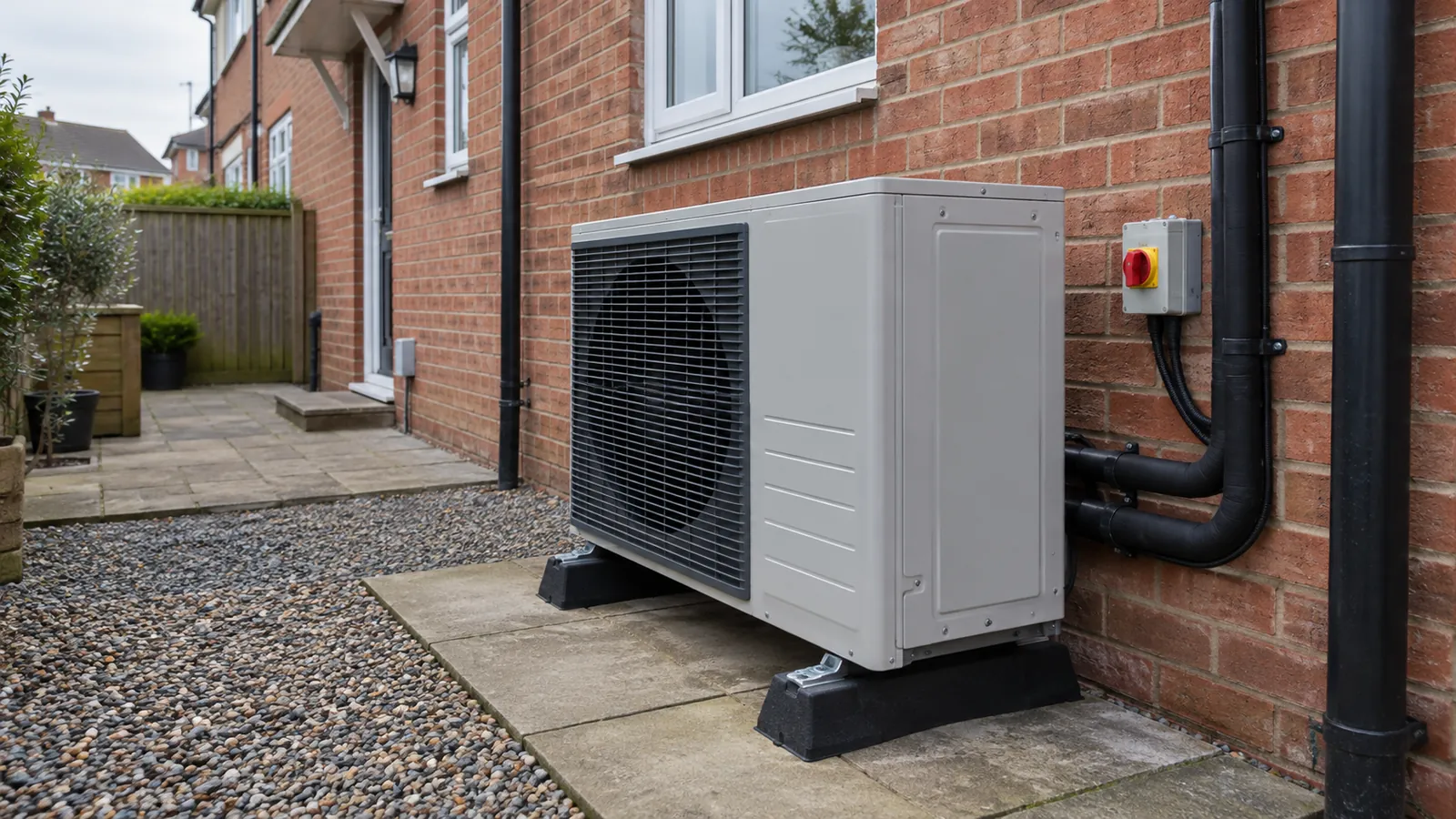
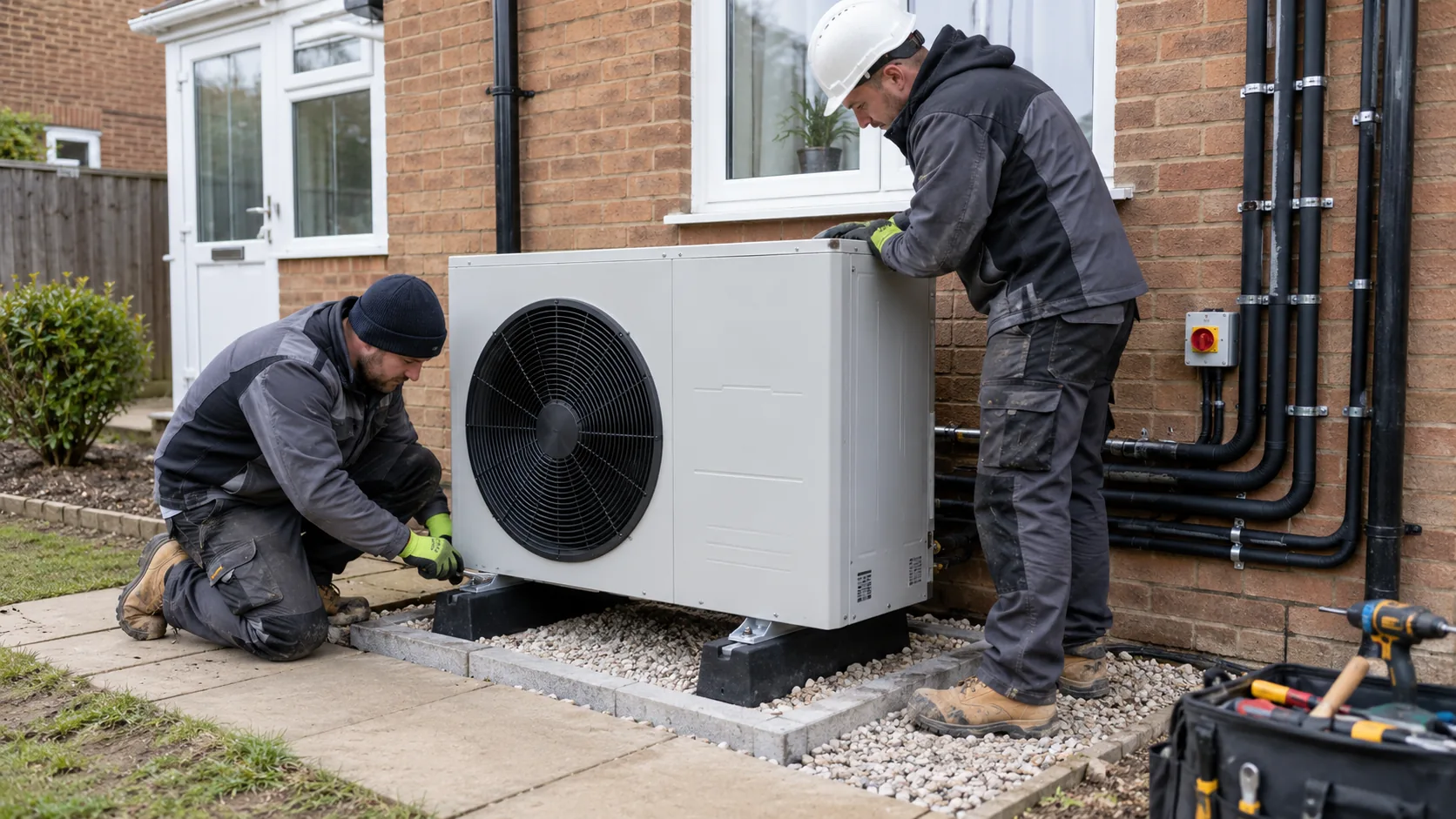
A boiler makes heat by burning fuel. An air-source heat pump moves heat from outside to inside, including on cold days. That is why a well-designed system can deliver several units of heat for each unit of electricity it uses.
The wider benefit is the potential to reduce reliance on fossil fuels and support lower-carbon heating as electricity becomes cleaner. It does not follow that every home should make the switch immediately.
Comfort is still the priority
People do not buy heating systems to meet a technology target; they want warm rooms, usable hot water and predictable costs. A proper heat-loss calculation, radiator review and suitable controls therefore matter just as much as the outdoor unit.
What government policy signals
The UK government’s Warm Homes Plan supports more home upgrades, including heat pumps and rooftop solar. It sets ambitions for greater uptake and a stronger consumer experience. These are policy goals, not a guarantee that a specific home will be eligible for a grant.
An honest first conversation
Ask about your current boiler, insulation, radiator sizes, outdoor space, hot-water needs and electricity tariff. A heat pump may be an excellent fit, or you may need preparatory work before it makes sense.
Reliable information
These are general UK homeowner considerations, not a quote, technical design or funding decision. For current rules, see the official or independent guidance for this topic. The right answer depends on your property and the latest scheme conditions.
General educational information, reviewed 11 October 2026. Not a property survey, technical recommendation, financial forecast or guarantee of funding. Rules, tariff rates and technology costs can change.