
Written for UK homeowners and checked against official or established independent sources where applicable. It is general information, not a substitute for a property assessment.
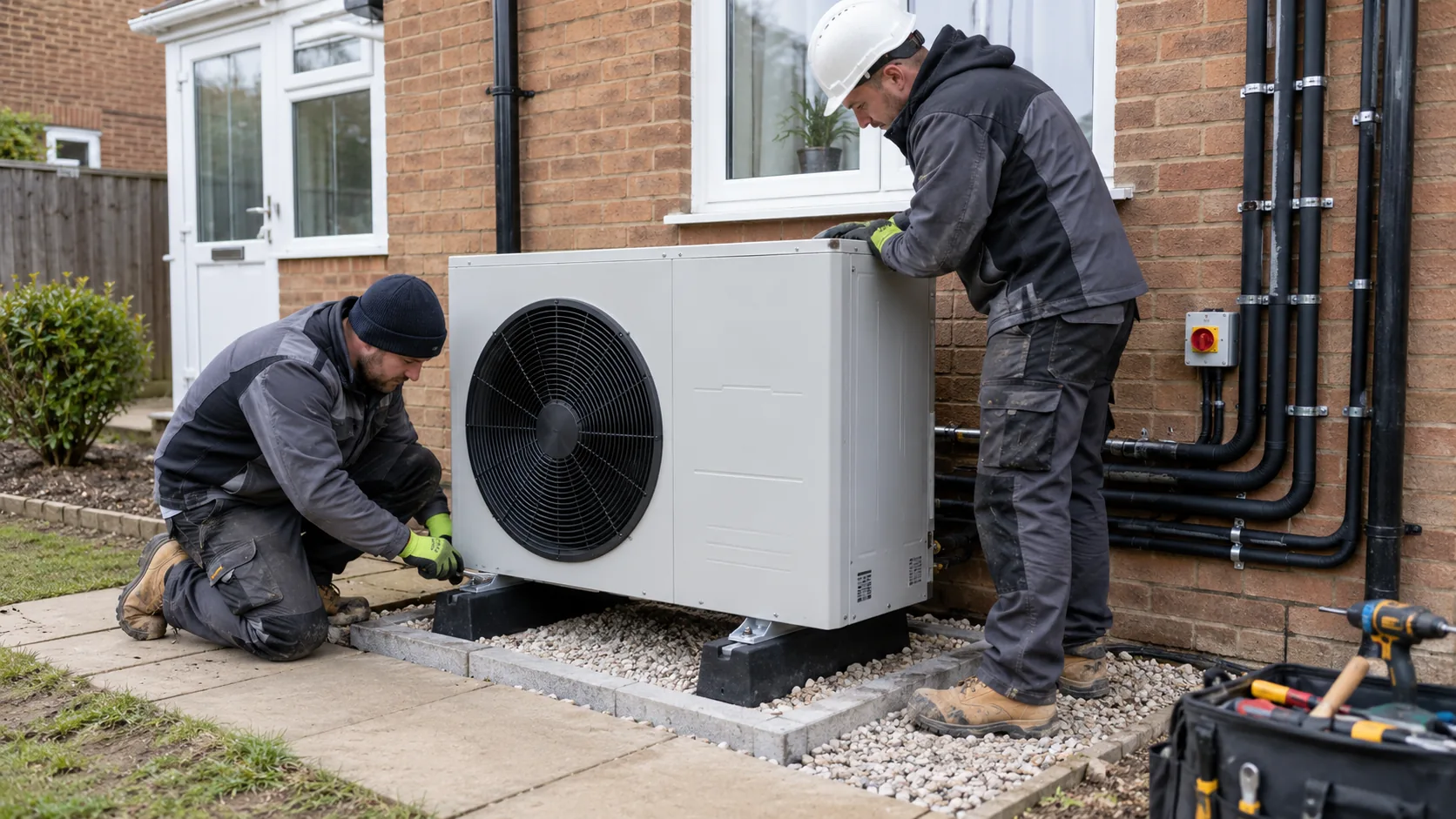
It is easy to assume a heat pump cannot work when the air feels freezing. In fact, outdoor air still contains heat at low temperatures. The more useful question is whether a specific system is designed for the property’s winter conditions.
Cold air still contains usable energy
A heat pump uses a refrigerant cycle to collect low-grade heat outdoors and raise its temperature for the home. Performance and capacity can change as the outdoor temperature falls.
What about frost?
Many systems periodically defrost the outdoor coil in cold, damp conditions. This is normal but should be considered in design and operation. The manufacturer’s instructions and installer commissioning matter.
Design for the coldest expected days
Heating demand is higher in winter, so size and radiator output should be assessed against appropriate local design conditions. Choosing the cheapest or largest unit without calculations can be problematic.
Do not judge performance by one day
Annual performance, comfort and electricity consumption offer a better picture than a single cold snap. Ask what seasonal efficiency assumption was used when estimating bills.
Reliable information
These are general UK homeowner considerations, not a quote, technical design or funding decision. For current rules, see the official or independent guidance for this topic. The right answer depends on your property and the latest scheme conditions.
General educational information, reviewed 11 October 2026. Not a property survey, technical recommendation, financial forecast or guarantee of funding. Rules, tariff rates and technology costs can change.